A walk through the Web Monetization work week
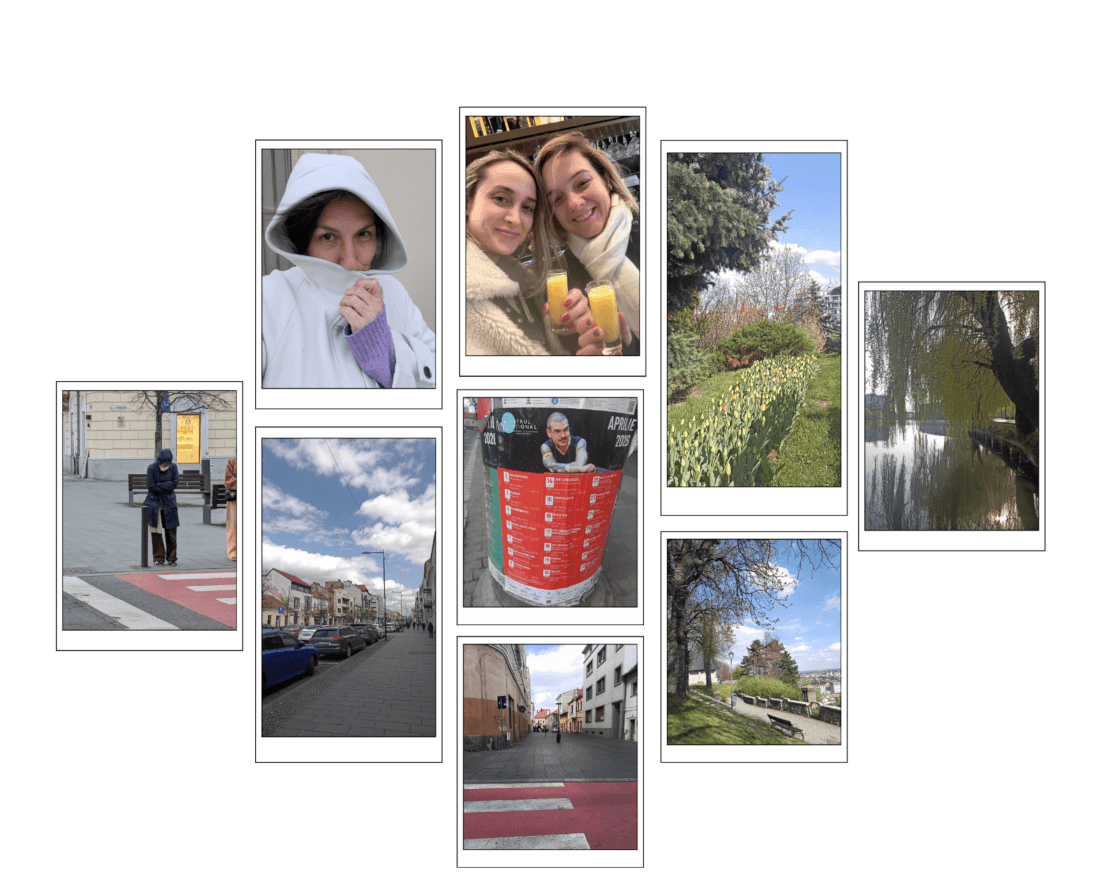
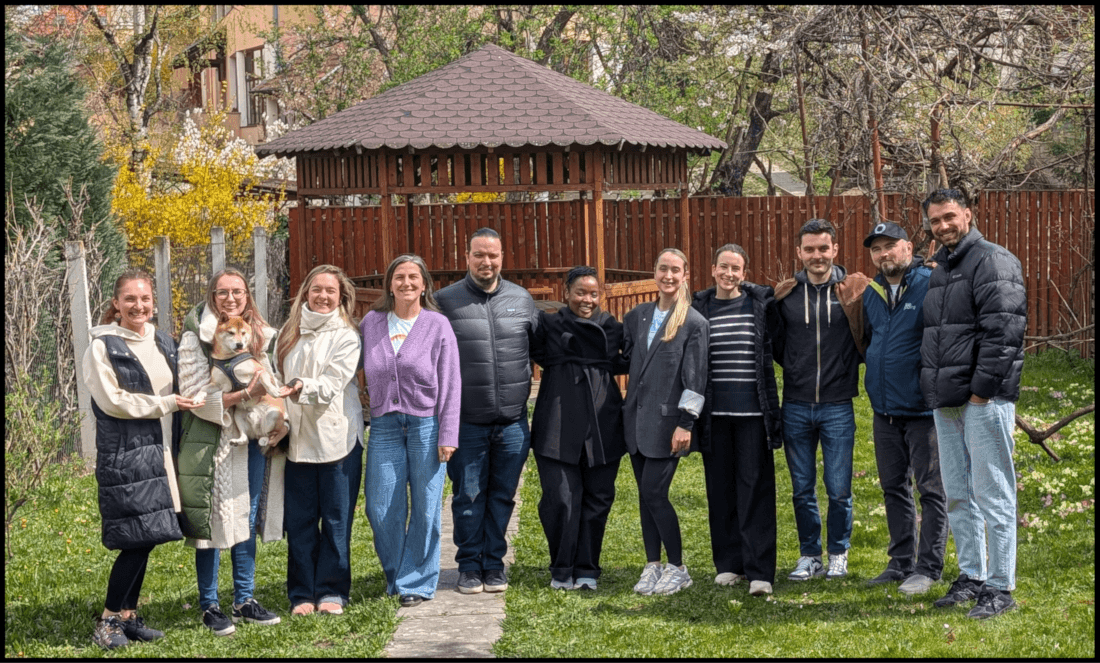
When you are a distributed team and your teammates live in different countries, something as simple as seeing each other smile in-person is an occasion worth making time for. So once a year, the Web Monetization team does exactly that. This April, we gathered in Cluj, Romania, for the annual work week. Three days to work side-by-side, tackling topics not yet on the roadmap, and moving closer to 10,000 active Web Monetization users.
The cold Carpathian winds in Cluj made for chilly spring mornings. The team’s answer was coffee and an activity called “Fun with Timea (the remix).” Inspired by Engineering Manager Timea, the activity used games and a top-tier playlist to help everyone get to know each other a little better.
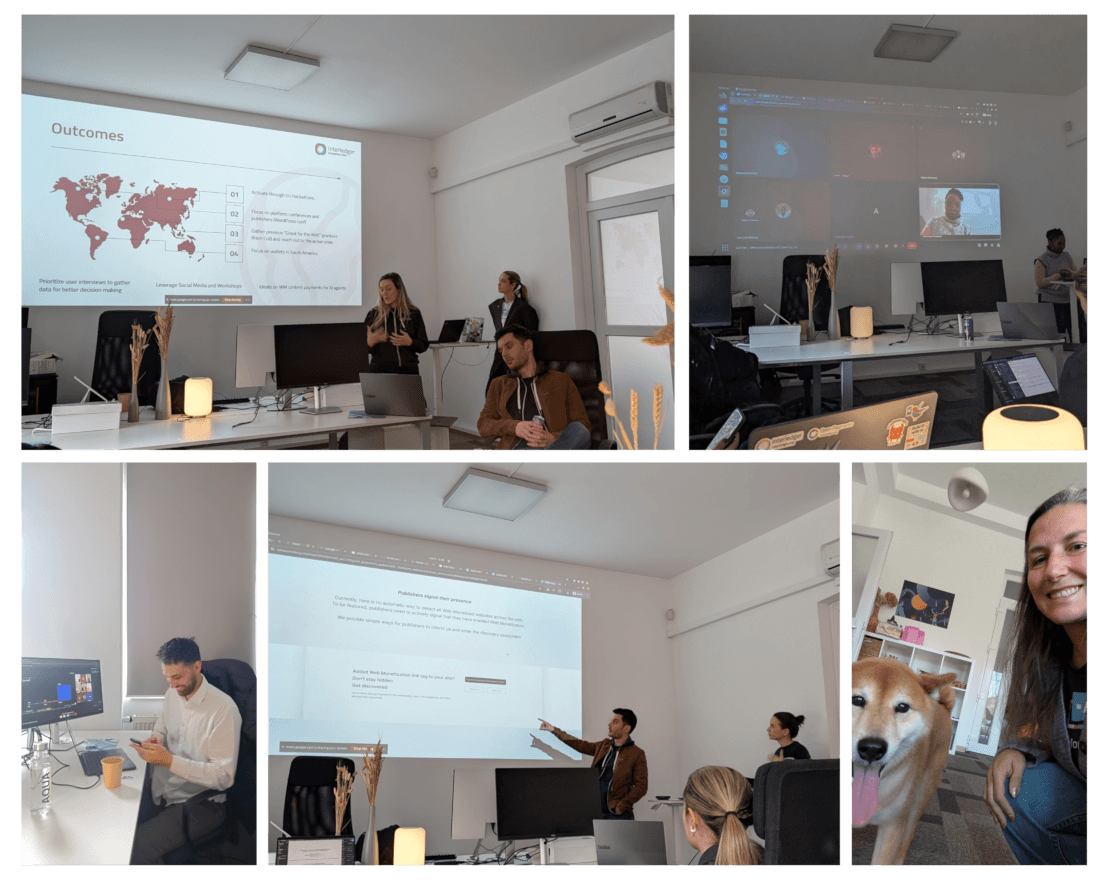
Not everyone could make it in-person, so we juggled participation across 4 continents with video, microphones, projectors–this was its own kind of workout. But the team rose to the challenge, splitting into smaller groups, each focused on a dedicated workstream.
Grow publisher & audience reach
Getting to 10,000 active Web Monetization users means finding people who haven’t heard of Web Monetization yet, and this group took that seriously. They looked at the most impactful ways to reach two kinds of publishers: makers who create their own work, and those who distribute the work of others.
Why Web Monetization matters was the core message. Writers, podcasters, and indie publishers were the focus, approached on the value first, rather than how it works.
To reach publishers, the group mapped out three ways to build relationships heading into Q3 and Q4. First, a YouTube Shorts series featuring real-world creator stories. Second, hands-on workshops at publisher and content creator conferences. Third, a database of target publishers organized by vertical.
Partnerships remained central, with existing grantees as key touchpoints, and larger platforms as a longer-term ambition. The geographic approach followed the same logic, starting in Europe, the largest market already served by compatible wallets, expanding outward from there.
Help supporters discover web monetized sites
Web Monetization opens up a new way for publishers to earn from supporters who value their work most. How easily supporters discover web monetized work they value directly affects how many people can follow through. So, making the path from discovery to giving support simple is what this workstream set out to do.
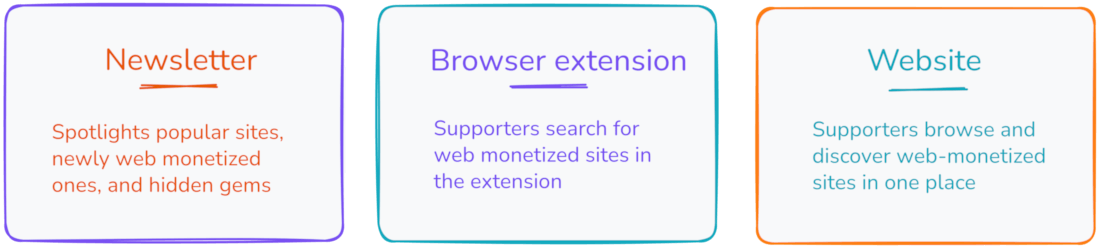
The team explored the idea of a tool for any publisher to signal their presence by listing their web monetized site. The listed sites become discoverable in three ways that give supporters an entry point into the Web Monetization ecosystem:
User interviews & user testing
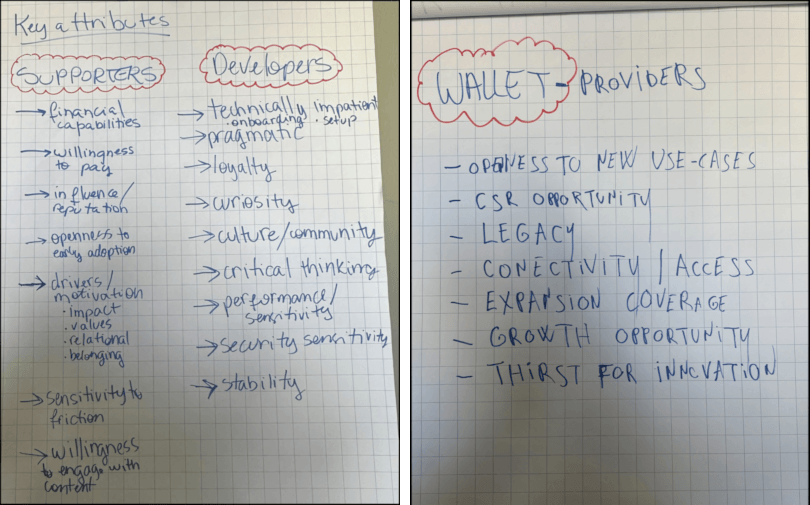
Four groups sit at the heart of Web Monetization: wallet providers, publishers, supporters, and developers. Each group interacts with Web Monetization differently, and this workstream focused on understanding each group.
The team listed the most likely attributes to influence how each group uses Web Monetization. From there, they drafted interview questions around the attributes that mattered most. The team will use the questions in user interviews to understand the needs and pain points of users, and how well the 7 tools built so far meet their needs.
Headless extensions API proof-of-concept
A major long-term goal is for Web Monetization to be built natively into the Chromium browser. With that future in mind, this workstream built a prototype of a new extension while defining a new headless browser extension API. The new extension uses the API to interact with the browser’s native Web Monetization functionality. The idea is to divide responsibilities such that the browser handles all core Web Monetization functionality, while the new extension gives users a straightforward way to manage their payment preferences. During the work-week, the team defined and refined the API that browser extensions can use to enhance the experience built into the core of the browser.
Other missions
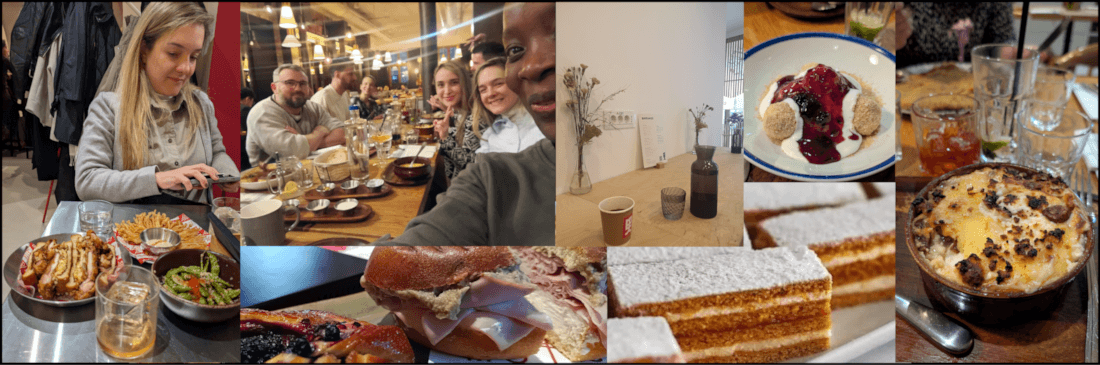
Much like the humble honeybee, Cluj worked tirelessly to keep us well fed. It started with the albinuță (little bee) and its big sister, the honey cake. And Cluj kept the indulgences coming with tripe soup, hearty goulash, bird’s milk, and a steamed remix of the classic papanași.
The remote experience
Joining remotely wasn’t without its hiccups. A few technical issues and the inevitable “you’re muted” moment made sure of that. Despite the distance, everyone made a real effort to pull the remote participants in, and it didn’t take long before remote teammates stopped feeling like faces on a screen. The daily stand-ups and small talk that snuck in between did what no projector or microphone could. They made it feel like one team.
Although nothing replaces being together in the same room, it is reassuring to know that the team adapts to the unexpected well, and that flexibility is a muscle we continue to grow.
As we are open source, you can easily check our work on GitHub. If the work mentioned here inspired you, we welcome your contributions. You can join our community slack or participate in the next community call, which takes place each second Wednesday of the month.
If you want to stay updated with all open opportunities and news from the Interledger Foundation, you can subscribe to our newsletter.